Native Plants and Grasses
Native Plants and Grasses
Manitoba’s tall grass prairie once spanned over 6,000 square kilometres, but with agriculture and urbanization, that number has been reduced to less than 15 square kilometers.
Qualico Communities made the decision early on to reintroduce native plants and grasses throughout our communities as a key feature to their design. Not only do they create stunning prairie landscapes throughout the year, but they also offer many benefits to our community, our city and its waterways.
Deeply Rooted
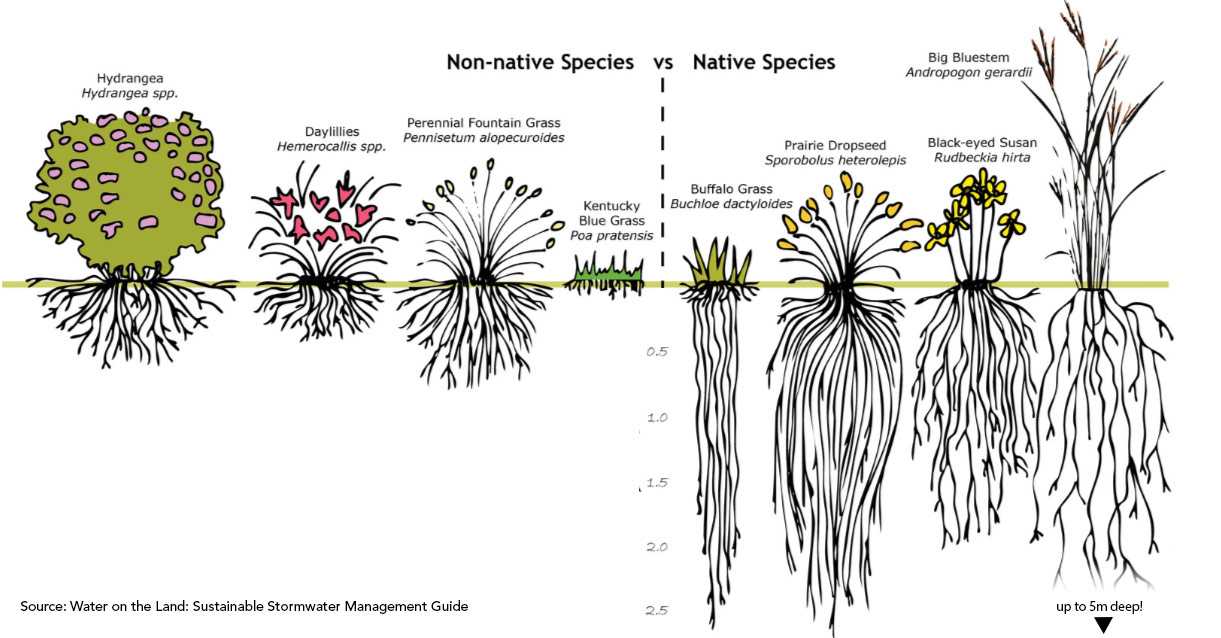
Native species have evolved to live through our Manitoba climate and terrain. Many species have developed longer root systems to reach deeper ground water during hot summers and to protect themselves from the cold in the winter.
Natural Filters
These long root systems act as a natural storm water filtration system. When rain water flows and collects on our relatively flat prairie landscape, it collects in low spots and drains into the ground.
This water run-off can contain contaminates from our yards and streets. Native plants, with these ‘super roots’, can filter out excessive nutrients such as nitrogen and phosphorous from storm water before it reaches out rivers and lakes.
Retains Soil
Over time, a community can lose hundreds of square feet of land to erosion and native plants can slow that process. Having a large root system is a great way to retain soil and prevent erosion from still water, storm water runoff and prairie winds.
Stronger than weeds
With their roots digging deep into the ground, native plants access water and nutrients found below the root systems of their neighbouring plants. This prevents weeds from stealing their resources.
Healthy Habitats
There is beauty in nature, and native plants and grasses are part of a healthy ecosystem that provides habitats for insects, animals and birds.

Easier maintenance
Native plants and grasses have evolved to the conditions of the province giving them the distinct ability to ward off unfriendly insects as well as weeds, therefore they require less herbicide and pesticides to maintain the natural beauty of the landscape.
By planting native grasses we can reduce the long-term cost of care, as once established, they require minimal maintenance. Their upkeep entails a controlled burn by the local government every five years. This helps to control weeds and allows the grasses to regenerate and different species of plants to bloom.
Habitats
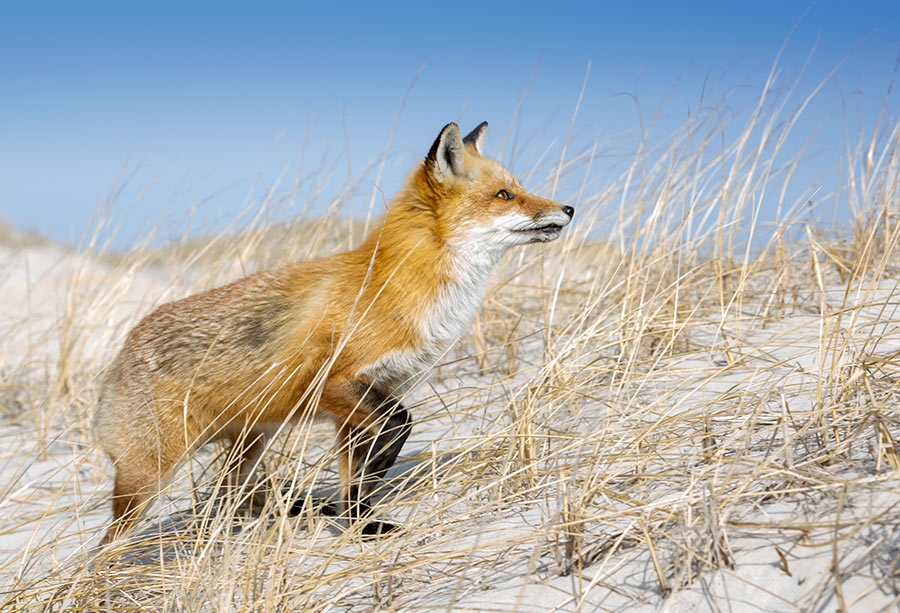
Prairie animals of all shapes and sizes make their homes in native grasses. The height provides some safety for smaller creatures, supplies for birds to build nests, and hunting grounds for birds of prey. Some animals you may see in these areas are: rabbits, foxes, and dozens of species of song birds. The areas also serve as a deterrent to some wildlife pests, such as: Canada geese, prairie dogs and gophers.
Caring for Native Grasses on Your Property
If you live with native grasses on your property, there are some do’s and don’ts to keep them healthy:
- Cut your grasses about every 5 years to manage their growth. Only cut them in the fall with the mower set at 4” high. Be sure to remove the clippings and thatch after mowing so that the grass roots can get sunlight. Do not spread topsoil or dump other grass clippings on native grasses.
- Native grasses do not do well in the shade. Avoid installing screens, sheds, or trees in areas that will block a lot of sunlight to the grasses.
If you are doing extensive landscaping near your grasses, it’s best to consult a professional landscaper or gardening specialist on what to plant.
- Do not plant among the grasses as disturbing the soil can be harmful and cause weeds to grow.
- Do not plant evergreen tree species near native grasses, but you can plant deciduous (leafy) trees, shrubs, wildflowers, and perennials nearby.
Controlled Burns
A controlled burn is the best way to maintain the vitality of native grasses and should take place about every five years. It is exactly what the name says it is; setting the grasses on fire to burn them in a controlled manner. Only professionals should conduct controlled burns as they require very close care and attention.
Controlled burns mimic the natural regeneration process of native grasses. It removes excess thatch and can create changes in the frequency and distribution of the species in the mixed grass planting. When properly conducted, a prescribed burn ‘tightens up’ the native grass community, maintaining its ecological integrity.
Depending on the area, either Qualico Communities or the City of Winnipeg contract a professional company to conduct a controlled burn. Homeowners immediately adjacent to a controlled burn, or with native grasses to be burned on their property, will be notified in advance of the burn. As much as possible, Qualico Communities tries to notify the community at large of a burn.